Heat Transfer Efficiency of
Plate Heat Exchangers vs
Shell-and-Tube Designs
Compare the thermal performance of plate heat exchangers and traditional shell-and-tube designs. Discover why plate heat exchangers are often the preferred choice in modern industrial applications.
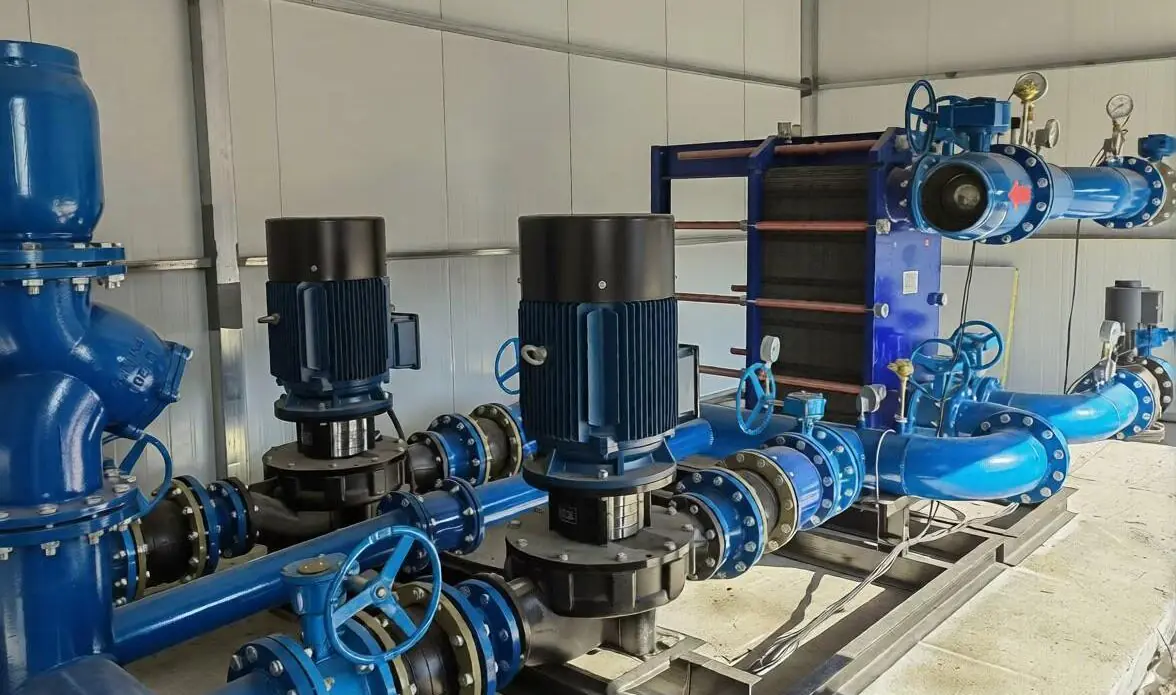
Heat exchangers play a vital role in modern industry, functioning as heaters, coolers, condensers, evaporators, and reboilers in sectors such as chemical processing, petroleum, power generation, and food manufacturing. Among various types, plate heat exchangers are widely recognized for their compact design and high thermal efficiency, especially when compared with traditional shell-and-tube heat exchangers.
Contact Engineering Team on WhatsApp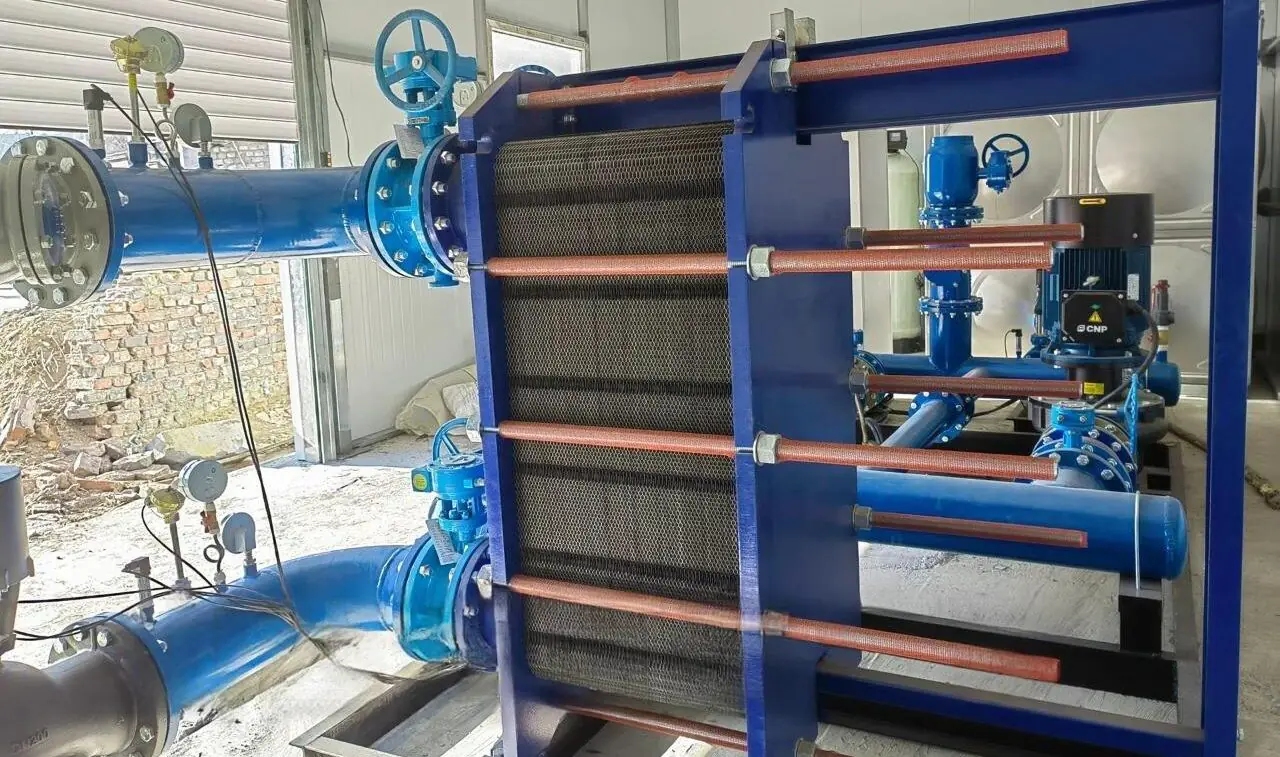
Types of Heat Exchangers
- Surface (indirect) type
- Direct contact (mixing) type
- Regenerative type
Surface type is the most commonly applied in industrial systems, which includes both plate and shell-and-tube heat exchangers.
Heat Transfer Coefficient Comparison
Under the same operating conditions, plate heat exchangers generally deliver higher thermal efficiency than shell-and-tube designs:
- Steam–Water Heat Exchange:
Shell-and-tube: 1500–3000 W/m²·°C
Plate: 2000–4000 W/m²·°C - Water–Water Heat Exchange:
Shell-and-tube: 2500–4000 W/m²·°C
Plate: 3000–5000 W/m²·°C
Why Plate Heat Exchangers Achieve Higher Efficiency
- Thin corrugated plates (0.5–0.7 mm) reduce thermal resistance
- Counter-current flow maximizes temperature difference
- Multi-channel flow enhances turbulence and heat transfer
- Smooth surfaces reduce fouling resistance
- No bypass flow compared to shell-and-tube designs
These features allow plate heat exchangers to achieve heat transfer coefficients 1–2 times higher than shell-and-tube units.
Can Heat Transfer Efficiency Reach 100%?
In well-designed systems, especially high-efficiency plate heat exchangers for heat recovery, heat transfer can approach equilibrium, meaning efficiency can approach 100% under ideal conditions:
Heat transferred ≈ Heat released �≈ Heat absorbed
Engineering Considerations in Real Applications
Engineers include safety margins to account for fouling, operating fluctuations, and maintenance intervals, ensuring stable long-term performance.
Explore High-Efficiency Heat Exchanger Solutions
Plate heat exchangers are often preferred in industrial cooling and heat recovery applications requiring compact design, energy efficiency, and reliable performance.