
CHEMICAL CASE
SiC Heat Exchanger for SOCl₂ Graphite Replacement Solution
The following case describes the application of silicon carbide heat exchangers in a highly corrosive SOCl₂ production environment, replacing traditional graphite equipment to improve reliability and safety.
Introduction
The production of thionyl chloride (SOCl₂) involves highly corrosive chemicals, elevated operating temperatures,
and strong oxidizing environments. These harsh conditions place strict requirements on the reliability and durability
of heat transfer equipment used in the process.
Traditionally, graphite heat exchangers have been widely applied in chlorination and acid-related processes due to their
excellent corrosion resistance. However, as chemical production systems continue to evolve and operating parameters increase,
graphite equipment may encounter limitations in terms of mechanical strength, pressure resistance, and long-term durability.
To address these challenges, Tershion provided silicon carbide heat exchangers to Shandong Kaisheng New Materials Co., Ltd.,
replacing the existing graphite heat exchangers in their thionyl chloride production line.
Project Overview
The production of thionyl chloride (SOCl₂) involves highly corrosive media, high temperatures, and strong oxidizing conditions.
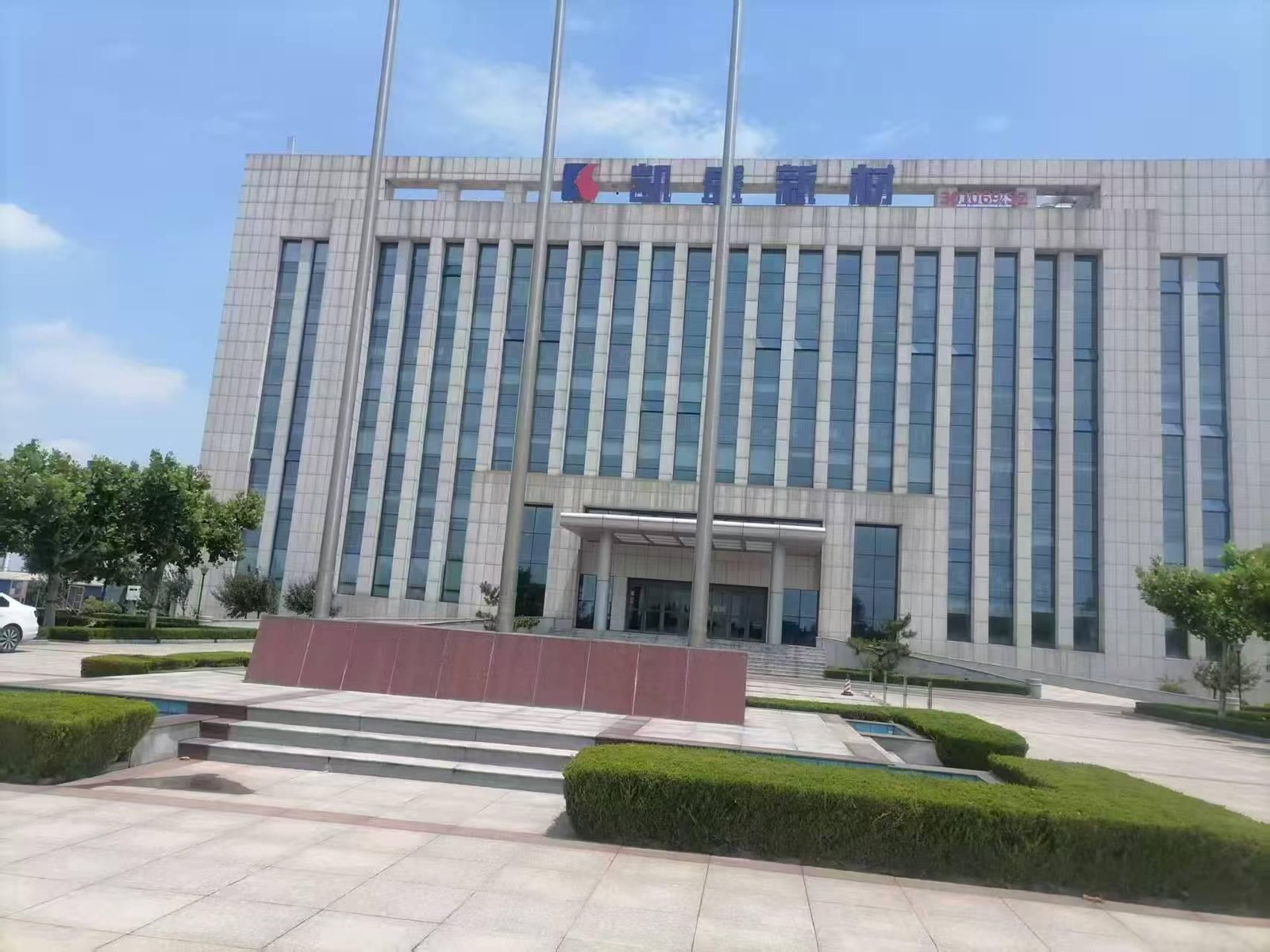
The client, Kaisheng New Materials, originally used graphite heat exchangers, which faced increasing limitations as operating conditions became more demanding.
Challenges with Graphite Heat Exchangers
As the production system was upgraded, the existing equipment struggled with:
- Limited pressure resistance
- Reduced stability at higher temperatures
- Material degradation in oxidizing environments
- Insufficient mechanical strength
These issues led to growing concerns over equipment reliability and operational safety.
Solution: Silicon Carbide Heat Exchanger
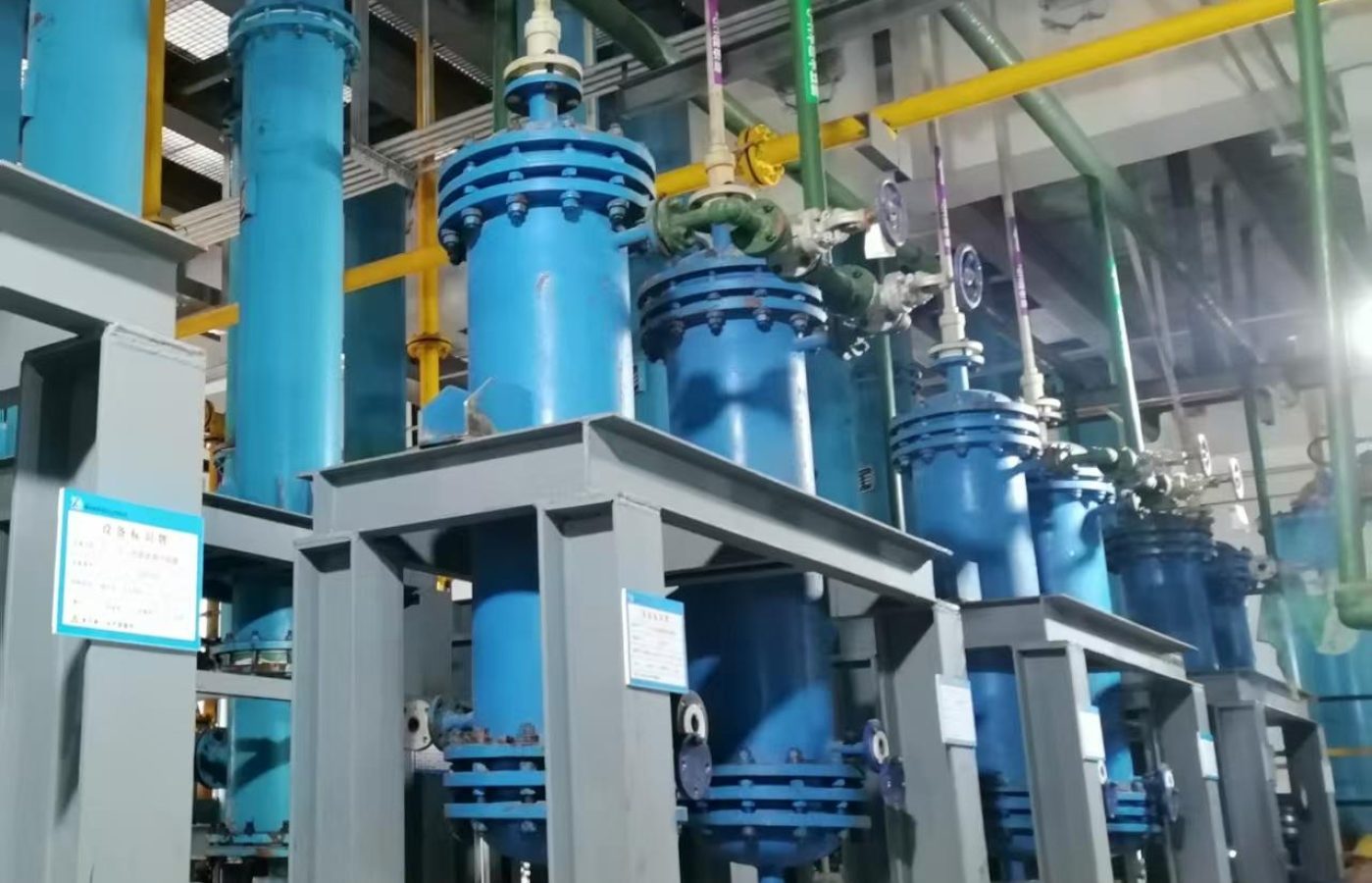
We replaced the original system with a customized silicon carbide heat exchanger solution.
Silicon carbide (SiC) is an advanced material ideal for extreme chemical environments,
offering both chemical resistance and structural strength.
Key Advantages Over Graphite
- Higher Pressure Resistance
- Excellent High-Temperature Stability
- Superior Oxidation Resistance
- Enhanced Mechanical Durability
Project Results
Improved Robustness
Improved equipment robustness after replacing graphite with silicon carbide.
Enhanced Safety
Enhanced operational safety under highly corrosive SOCl₂ conditions.
Stable Operation
Stable performance maintained under harsh chemical environments.
Reduced Risk
Reduced maintenance risks and equipment failure probability.
Why Replace Graphite with Silicon Carbide?
Compared to graphite, silicon carbide offers:
- Higher mechanical strength
- Better resistance to oxidation
- Longer service life in aggressive environments
Need SiC Heat Exchanger for Corrosive Process?
Get a customized engineering solution for your chemical system.
Chat on WhatsApp