
Handling HBr and Bromine? Choose Right Heat Exchanger Material
Corrosive HBr and bromine demand properly selected heat exchanger materials to protect equipment lifespan, cut maintenance and secure factory operation.
HBr and bromine corrode graphite, glass-lined and regular metal exchangers easily, triggering leaks and unplanned plant shutdowns.
Silicon carbide heat exchangers deliver stable long-term service for bromide chemical manufacturing.
Contact Our Team on WhatsApp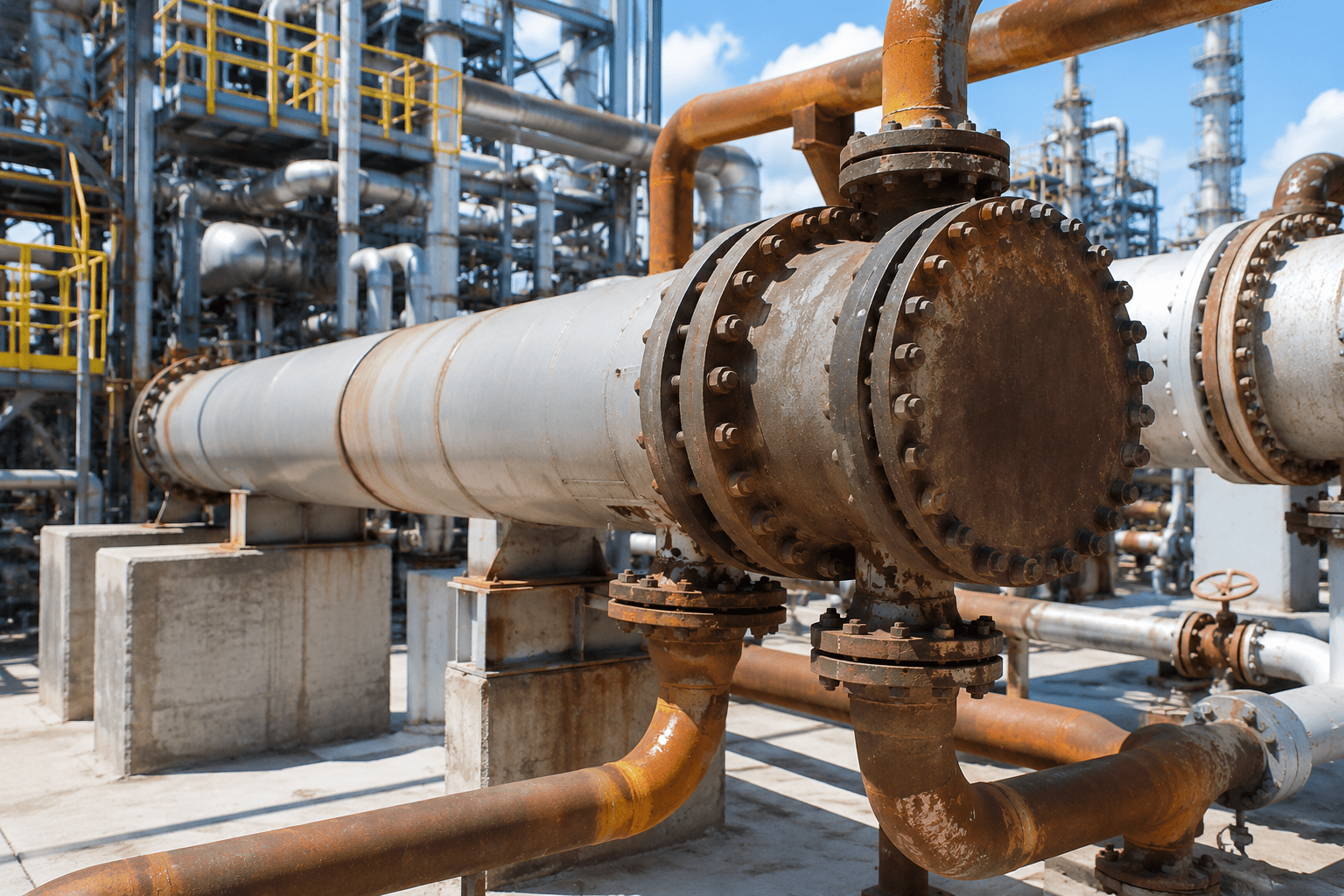
The Challenge of HBr and Bromine Applications
HBr and bromine are widely used in fine chemical and pharmaceutical production yet aggressively corrode common heat exchanger materials.
- Rapid corrosion leading to leakage
- Frequent maintenance and downtime
- Reduced heat transfer efficiency due to fouling
- Short equipment lifespan
Chemistry plants facing these harsh fluids must pick reliable corrosion-resistant heat exchangers.
Why Traditional Materials Fall Short
Graphite exchangers are brittle, vulnerable to thermal shock and limited in pressure tolerance.
- Fragility and risk of mechanical damage
- Sensitivity to thermal shock
- Limited pressure resistance
Glass-lined units crack or lose coating under fluctuating temperatures, creating urgent demand for upgraded alternatives.
Silicon Carbide: The Ideal Solution for Bromine and HBr
Silicon carbide outperforms conventional materials against bromine and hydrobromic acid corrosion.
- Outstanding corrosion resistance against halogen media
- High thermal conductivity for efficient heat transfer
- Excellent mechanical strength and durability
- Resistance to thermal shock and high temperatures
These core strengths make SiC one of the most trusted exchanger materials for corrosive chemical environments.
Proven Performance in Harsh Chemical Processes
Many chemical factories switch to SiC exchangers to reduce repair frequency and stabilize continuous production.
- Significantly extended service life
- Lower total cost of ownership
- Stable performance under continuous operation
Such upgrades reflect the industry shift toward robust heat transfer equipment for extreme corrosive conditions.
Choosing the Right Partner
Premium material alone cannot guarantee stable performance; experienced manufacturers deliver customized design and after-sale reliability.
Tershion develops custom SiC heat exchangers built to withstand extreme HBr and bromine working conditions.
Conclusion
Corrosive bromine and HBr leave no room for unreliable equipment failures at production sites.
Upgrading to silicon carbide heat exchangers lowers operational risks and improves long-term factory profitability.
About Us
We customize silicon carbide heat exchangers for HBr, bromine and strong acid corrosion. Our engineers offer calculation and tailored design for global chemical clients.