
Shell and Tube Heat Exchanger Design Principles
A comprehensive guide to shell and tube heat exchanger design, covering tube arrangement, baffle configuration, material selection and thermal performance optimization for industrial systems.
Design Overview
Shell and tube heat exchanger design is one of the most important aspects of industrial heat transfer engineering. A well-optimized design improves efficiency, reduces energy consumption and ensures long-term reliability.
👉 View tubular heat exchanger solutions
Core Design Elements
1. Tube Arrangement
Tube layout directly impacts heat transfer performance:
- Triangular pitch – higher efficiency and compact design
- Square pitch – easier cleaning and maintenance
2. Baffle Configuration
Baffles enhance shell-side heat transfer by increasing turbulence and fluid velocity. Proper spacing is critical to balance efficiency and pressure drop.
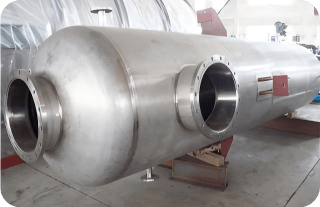
Tube layout design
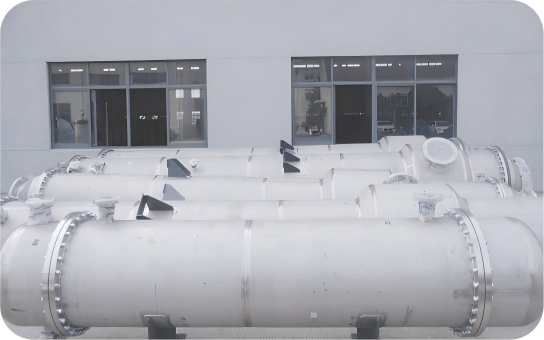
Baffle structure design
3. Material Selection
- Carbon steel for general applications
- Stainless steel for corrosion resistance
- Alloy materials for extreme conditions
4. Thermal Calculation
Design calculations include heat transfer area, temperature difference and flow rate optimization.
Advantages of Good Design
- Higher thermal efficiency
- Lower operating cost
- Improved equipment lifespan
- Better adaptability to industrial conditions
Industrial Applications
- Chemical industry
- Petrochemical plants
- Power generation
- Oil & gas processing
👉 Explore heat exchanger products
👉 View all industrial solutions
Conclusion
Effective shell and tube heat exchanger design ensures stable performance, energy efficiency and long service life. It remains the most reliable solution for demanding industrial heat transfer applications.
Need a customized heat exchanger design?