
Kaisheng New Materials
Kaisheng New Materials
Silicon Carbide Heat Exchanger for Thionyl Chloride Production: A Chemical Industry Case Study
Introduction
The production of thionyl chloride (SOCl₂) involves highly corrosive chemicals, elevated operating temperatures, and strong oxidizing environments. These harsh conditions place strict requirements on the reliability and durability of heat transfer equipment used in the process.
Traditionally, graphite heat exchangers have been widely applied in chlorination and acid-related processes due to their excellent corrosion resistance. However, as chemical production systems continue to evolve and operating parameters increase, graphite equipment may encounter limitations in terms of mechanical strength, pressure resistance, and long-term durability.
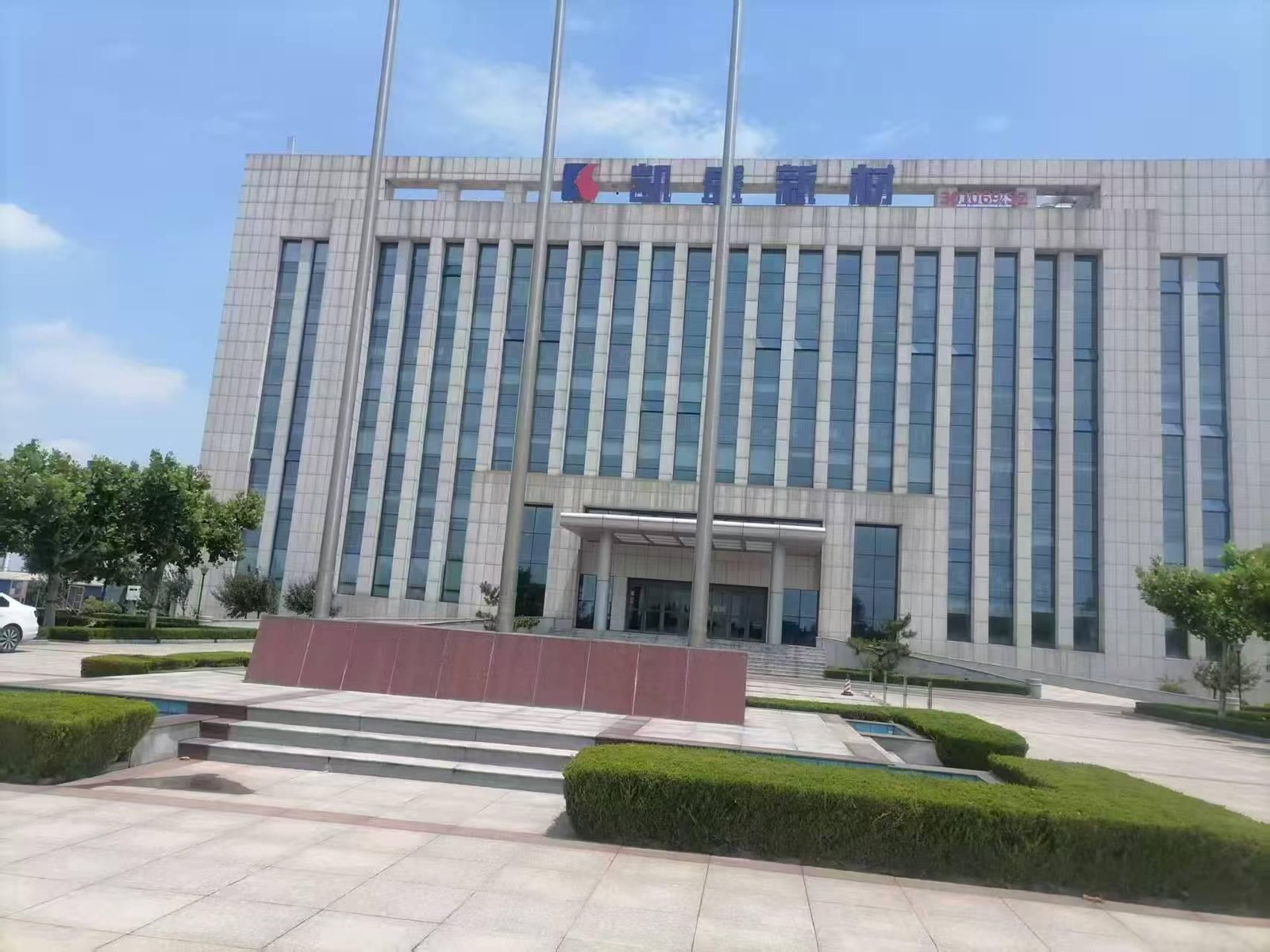
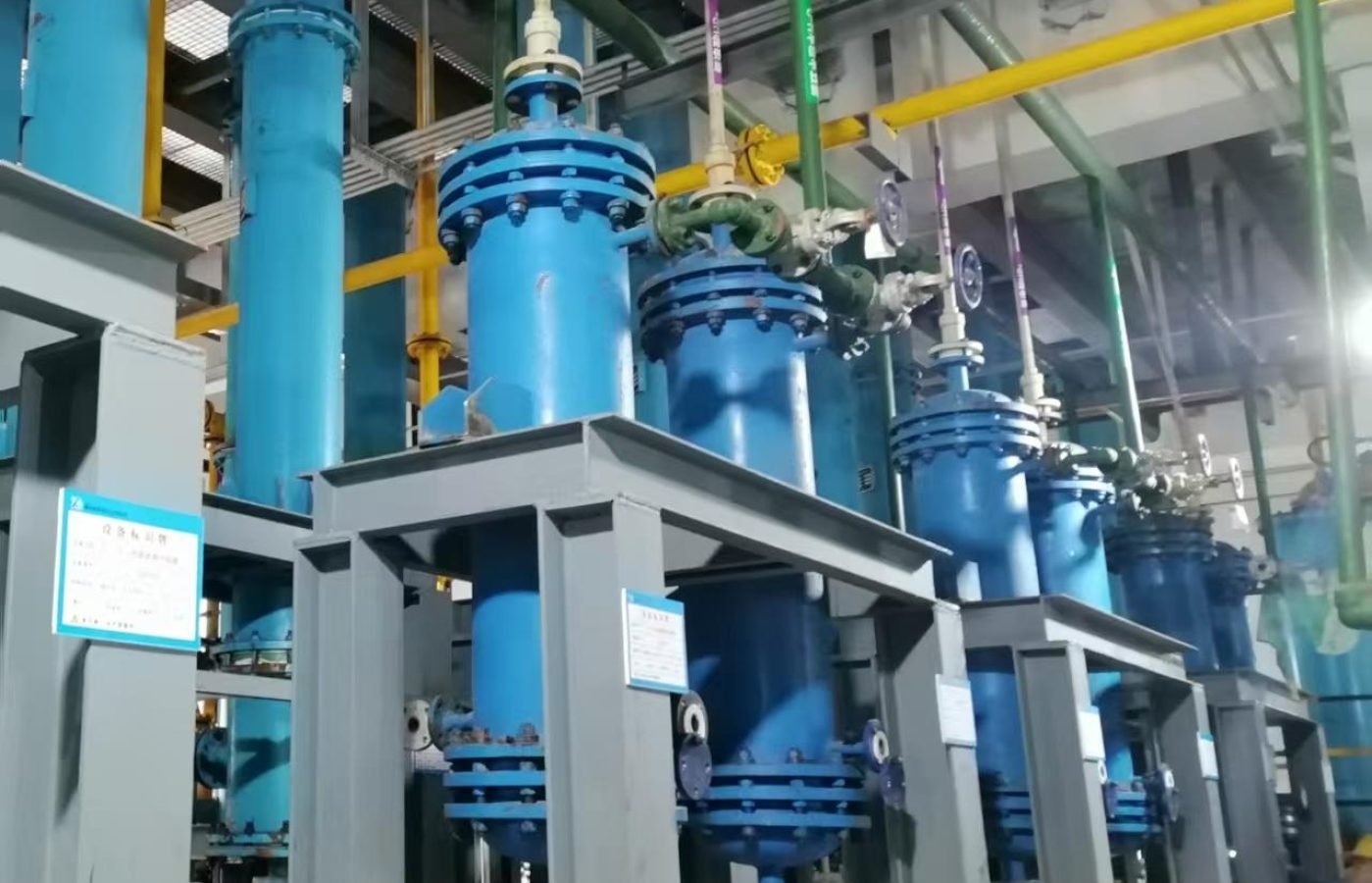
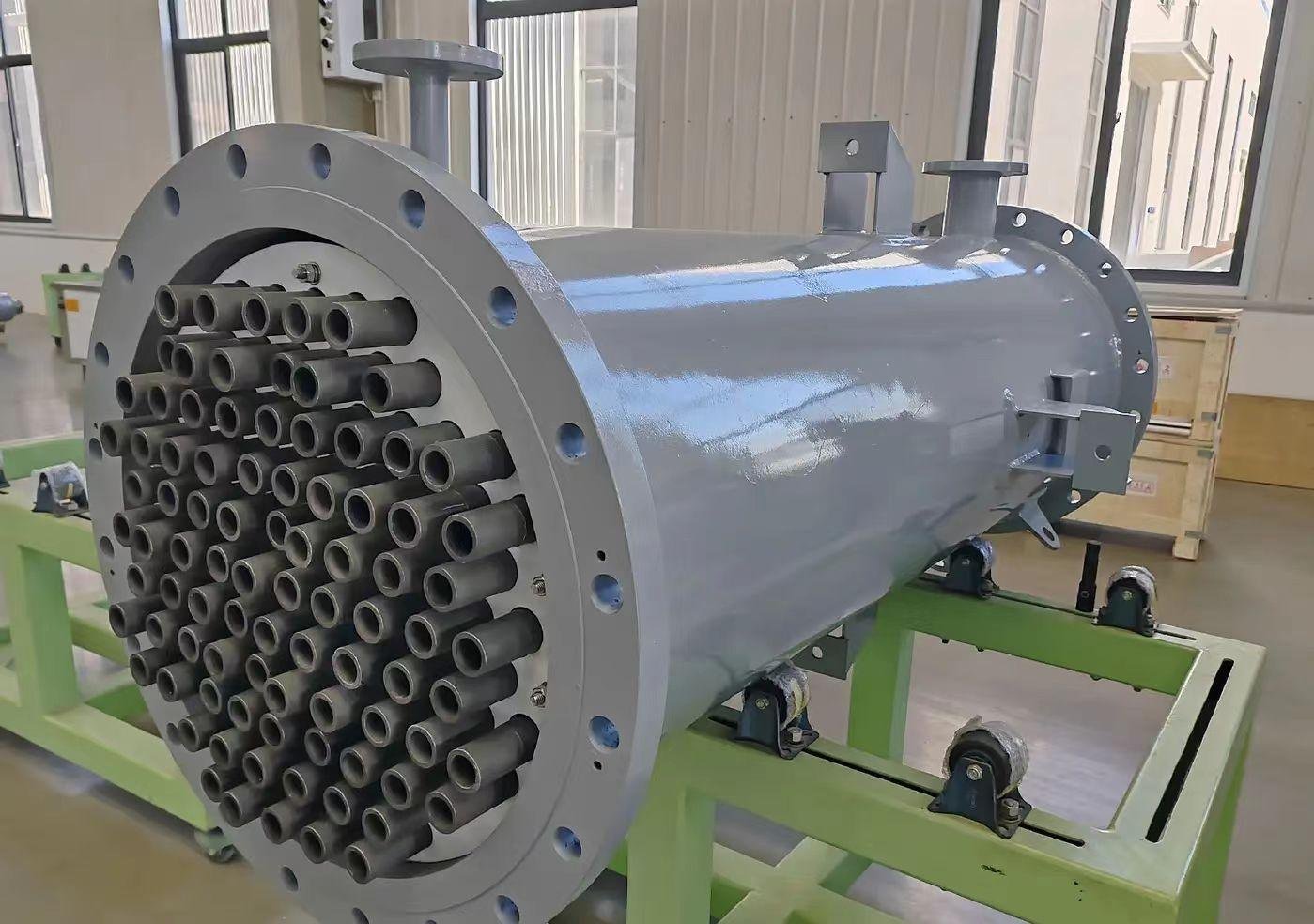
To address these challenges, Tershion provided silicon carbide heat exchangers to Shandong Kaisheng New Materials Co., Ltd., replacing the existing graphite heat exchangers in their thionyl chloride production line.
Project Background
The graphite heat exchangers previously installed in the plant had been operating for many years. As the production process was optimized and upgraded, the system began to require heat exchange equipment capable of withstanding more demanding conditions, including:
Higher operating pressure
Higher operating temperature
Stronger oxidizing chemical environments
Greater structural and mechanical strength
Under these intensified operating conditions, the performance limitations of traditional graphite heat exchangers gradually became more apparent.
Why Choose Silicon Carbide Heat Exchangers?
Silicon carbide (SiC) is an advanced ceramic material increasingly used in modern chemical processing equipment. It offers a unique combination of excellent corrosion resistance, high thermal conductivity, and outstanding mechanical strength.
Compared with traditional graphite heat exchangers, silicon carbide heat exchangers provide several important advantages.
1. Higher Pressure Resistance
Silicon carbide has significantly greater mechanical strength than graphite, allowing the heat exchanger to operate safely under higher pressure conditions.
2. Excellent High-Temperature Stability
SiC maintains strong thermal stability and structural integrity even at elevated temperatures, making it well suited for demanding chemical processes.
3. Superior Oxidation Resistance
In highly oxidizing environments, silicon carbide demonstrates better chemical stability than graphite, which helps reduce material degradation over time.
4. Greater Mechanical Durability
The high structural strength of silicon carbide enhances the overall durability of the equipment and reduces the risk of mechanical damage during long-term industrial operation.
Project Results
After installation and commissioning, the silicon carbide heat exchangers have been operating reliably in the thionyl chloride production system.
The upgrade has:
Improved equipment robustness
Enhanced operational safety
Ensured stable process performance under harsh chemical conditions
This project demonstrates that silicon carbide heat exchangers can serve as an effective replacement for traditional graphite heat exchangers, especially in chemical processes involving high temperature, high pressure, and strong oxidizing media.
Conclusion
With the increasing demands of modern chemical production, materials with higher performance and reliability are becoming essential. Silicon carbide heat exchangers offer a promising solution for industries that require excellent corrosion resistance, high thermal conductivity, and superior mechanical strength.
This successful application highlights the growing role of silicon carbide technology in advanced chemical processing and heat transfer equipment.