
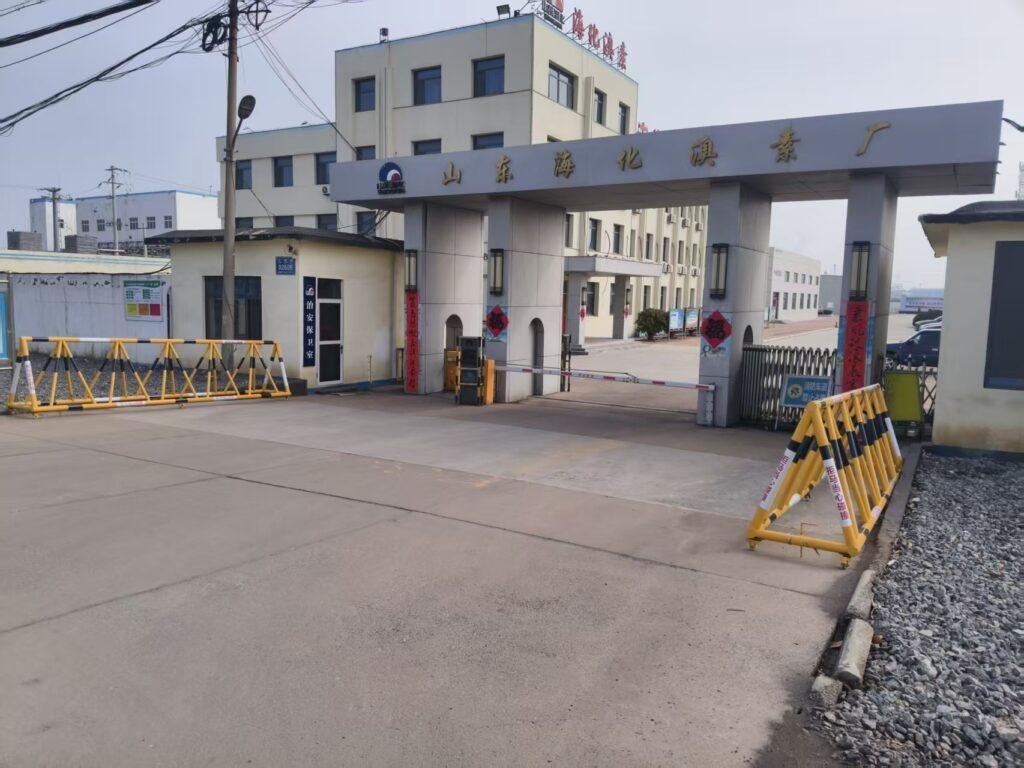
Shandong Haihua Bromine Plant
Shandong Haihua Bromine Plant
Project Background
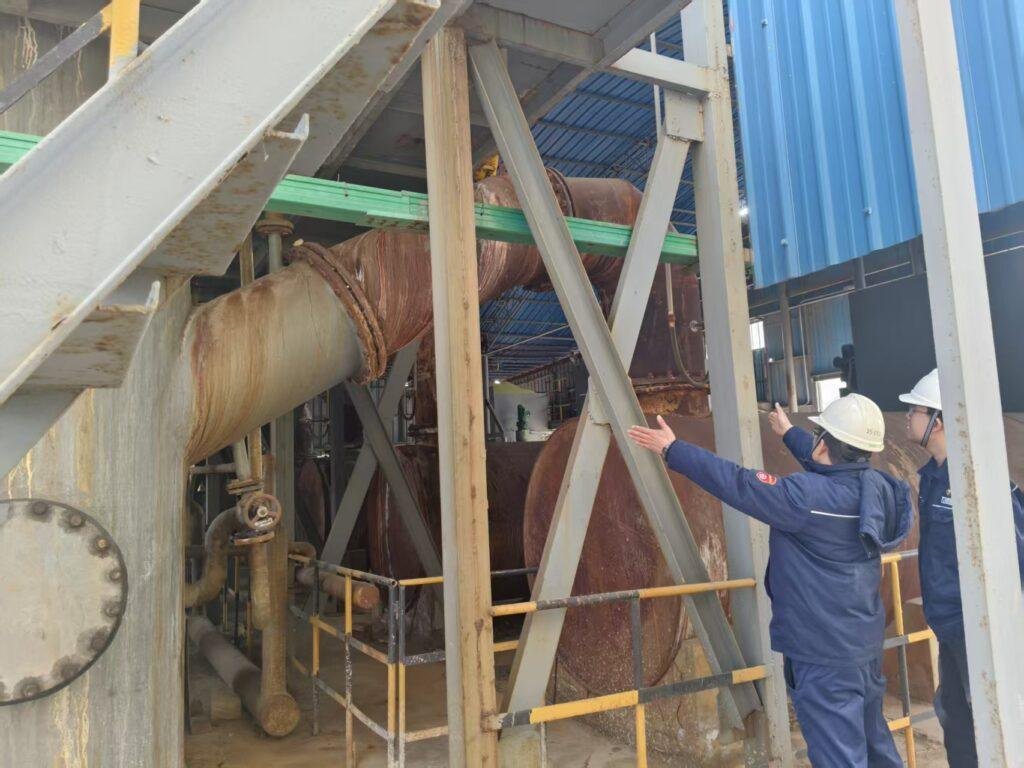
The bromine production facility of Shandong Haihua Group recently completed a waste heat recovery upgrade in its sulfur combustion system.
In this project, the original glass heat exchanger was replaced with a silicon carbide heat exchanger supplied by our company. The objective was to improve heat recovery efficiency from high-temperature flue gas and reduce overall energy consumption in the bromine production process.

Challenges
During bromine extraction, sulfur combustion furnaces generate high-temperature flue gases containing large amounts of recoverable heat energy.
However, the previously installed glass heat exchanger faced several operational limitations:
Poor resistance to thermal shock
Low thermal conductivity, limiting heat recovery efficiency
Insufficient mechanical strength in high-temperature corrosive environments
Short service life and frequent maintenance requirements
These limitations restricted the plant’s ability to further improve energy efficiency.
Our Solution
To address the harsh operating conditions—high temperatures exceeding 1000°C and corrosive sulfur-containing gases—we provided a silicon carbide ceramic heat exchanger specifically designed for high-temperature waste heat recovery applications.
Key advantages of the silicon carbide heat exchanger include:
High Temperature and Thermal Shock Resistance
Silicon carbide materials maintain excellent structural stability at extreme temperatures and can withstand repeated rapid cooling from 1000°C to room temperature without cracking.
Superior Heat Transfer Performance
Silicon carbide has very high thermal conductivity, enabling efficient heat transfer. Under flue gas temperatures of around 1300°C, the system can preheat combustion air to over 600°C.
Excellent Corrosion Resistance
Silicon carbide performs exceptionally well in oxidizing and acidic environments, making it ideal for sulfur combustion flue gas applications.
Results
After the installation of the silicon carbide heat exchanger, the sulfur combustion system achieved significant improvements:
Higher heat recovery efficiency
Combustion air preheating above 600°C
Fuel consumption reduction of more than 30%
Longer equipment service life
Lower maintenance costs
Conclusion
The successful implementation of this project demonstrates that silicon carbide heat exchangers provide an effective solution for high-temperature and corrosive waste heat recovery applications.
By replacing traditional glass heat exchangers with silicon carbide technology, the plant significantly improved energy efficiency and reduced operating costs, unlocking further energy-saving potential in bromine production.