
Heat Exchanger Cleaning Guide How to Choose the Right Cleaning Agents
Learn how to select the correct cleaning chemicals for heat exchangers based on material and fouling type to improve efficiency, prevent corrosion, and extend equipment life.
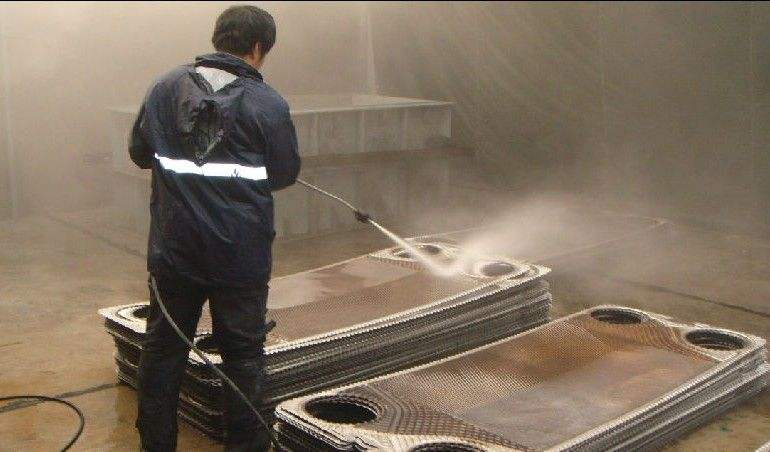
1. Material and Fouling Analysis
Selecting the correct cleaning agent starts with identifying the heat exchanger material and the type of fouling. Common deposits include carbonate scale, rust, and organic contaminants.
2. Cleaning Agents for Carbon Steel
For carbon steel heat exchangers affected by scale and rust, strong acid cleaning is commonly used.
- Hydrochloric acid: strong descaling ability
- Amino sulfonic acid: safer and more controlled alternative
- Use corrosion inhibitors to protect metal surface
3. Cleaning Agents for Stainless Steel
Stainless steel requires compatible acids to avoid damage and corrosion.
- Nitric acid: preferred due to passivation effect
- Amino sulfonic acid: mild cleaning option
- Avoid chloride-based acids to prevent pitting corrosion
4. Cleaning Copper and Brass Heat Exchangers
Copper materials, especially brass, are sensitive to chemical cleaning and require special care.
- Use low concentration acid solutions
- Keep cleaning time short
- Operate at low flow rate and room temperature
- Recommended inhibitor: Lan-826
5. Special Conditions
In cases where equipment is old, thin, or has defects, cleaning must be performed carefully with prior testing.
- Check wall thickness
- Inspect for corrosion damage
- Conduct compatibility testing
6. Use of Additives
Additional chemicals can improve cleaning efficiency:
- Surfactants for better penetration
- Dispersants for scale removal
- Defoamers for process stability
7. Why Proper Cleaning Matters
- Restore heat transfer efficiency
- Reduce energy consumption
- Extend equipment service life
- Ensure stable operation
Contact our engineers today →