
How to Choose The Right Plate Heat Exchanger
Plate heat exchangers are widely used in HVAC, chemical, food processing, and energy systems. Selecting the right model ensures optimal efficiency, reduced operating costs, and long-term reliability.
Plate heat exchangers offer high efficiency in a compact design, but selecting the right unit requires understanding fluid type, temperatures, flow rates, and working pressures.
Careful selection can improve system performance and reduce long-term costs.
Contact Our Team on WhatsApp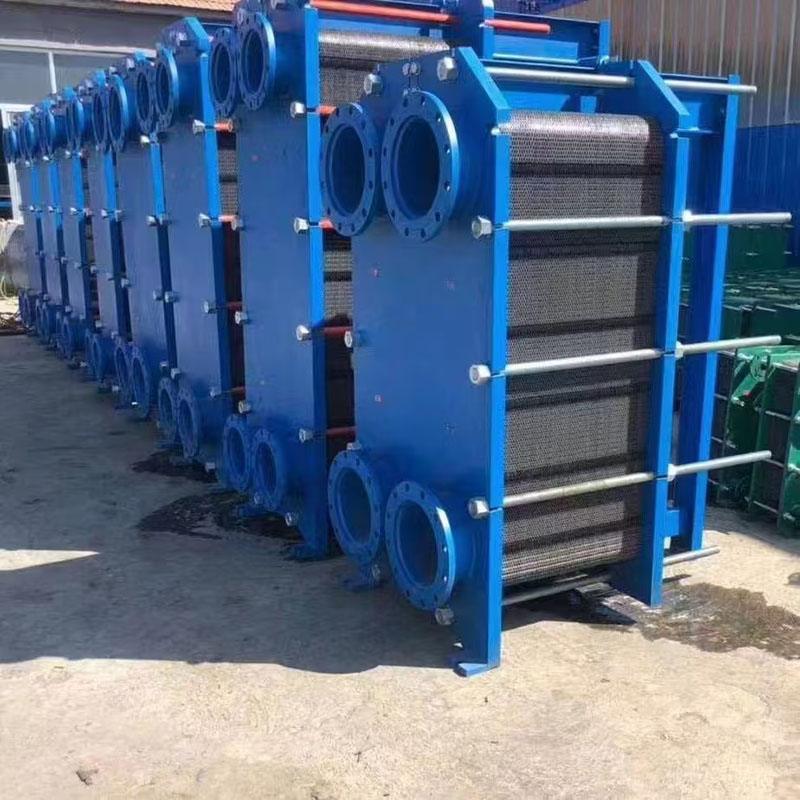
Understanding Your Application Requirements
- Type of fluid: water, steam, oil, corrosive media
- Inlet and outlet temperatures
- Flow rate
- Working pressure
The Importance of Heat Transfer Efficiency
Advanced plate designs create strong turbulence, maximizing heat transfer between fluids. High efficiency reduces footprint and energy consumption.
Selecting the Right Size and Configuration
Proper sizing avoids underperformance or unnecessary investment. Work with experienced engineers for accurate calculations.
Material Selection Matters
- Stainless steel: general industrial applications
- Titanium: seawater or highly corrosive environments
Maintenance and Long-Term Performance
Consider ease of disassembly, cleaning system compatibility, and gasket replacement. User-friendly designs reduce maintenance time and costs.
Conclusion
Choosing the right plate heat exchanger is about matching your process requirements. Consider operating conditions, efficiency, size, materials, and maintenance for reliable long-term performance.
About Us
We provide customized plate heat exchanger solutions across industries. Our team offers professional selection support and technical guidance for optimal system performance.