
News
How to Prevent Plate Heat Exchanger Leakage
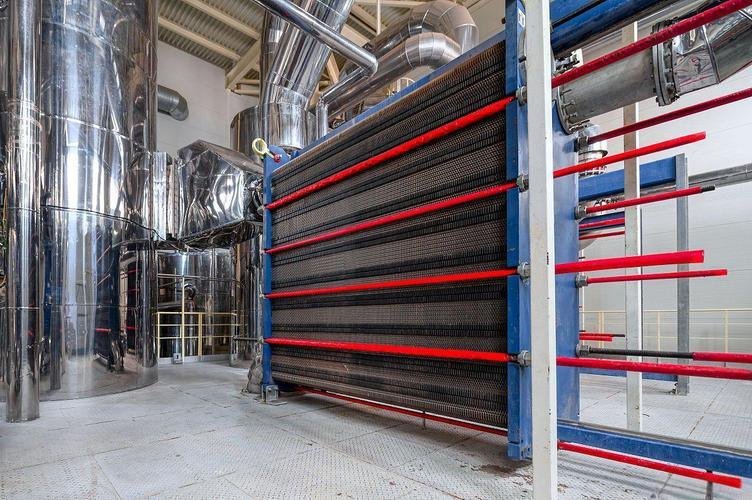
Plate heat exchangers are widely used in industries such as HVAC, chemical processing, food production, and power generation due to their high heat transfer efficiency and compact design. However, leakage is one of the most common issues that can affect system performance and operational reliability.
Understanding the causes of leakage and implementing proper preventive measures can significantly extend the service life of a plate heat exchanger and reduce maintenance costs.
Select the Right Plate Heat Exchanger Materials
Choosing suitable plate and gasket materials is the first step in preventing leakage.
Different working conditions require different material combinations. For example:
Stainless steel plates are suitable for general industrial fluids.
Titanium plates are commonly used in seawater or highly corrosive environments.
Special gasket materials may be required for high temperatures or aggressive chemicals.
Selecting the correct materials helps prevent corrosion, gasket degradation, and structural damage that may lead to leakage.
Ensure Proper Installation
Incorrect installation is a frequent cause of external leakage in plate heat exchangers.
Key installation precautions include:
Ensuring the frame bolts are tightened evenly
Maintaining the correct compression dimension of the gasket
Avoiding excessive tightening that may deform the plates
Proper alignment of plates and uniform tightening can maintain sealing performance and reduce leakage risks.
Control Operating Pressure and Temperature
Operating conditions that exceed design limits can damage plates and gaskets.
To prevent leakage:
Avoid sudden pressure fluctuations
Keep operating pressure within design specifications
Prevent temperature shocks during startup or shutdown
Stable operating conditions help protect sealing components and ensure long-term reliability.
Regular Cleaning and Maintenance
Over time, fouling and scaling may accumulate inside the heat exchanger. This can increase pressure drop and stress on the plates and gaskets.
Recommended maintenance practices include:
Periodic inspection of plates and gaskets
Chemical or mechanical cleaning when fouling occurs
Replacement of worn gaskets
Routine maintenance helps detect potential issues early and prevents leakage before it occurs.
Use High-Quality Replacement Parts
When replacing plates or gaskets, using high-quality components is essential.
Poor-quality spare parts may have dimensional deviations or inferior materials, which can compromise sealing performance.
Working with experienced manufacturers ensures compatibility and reliable sealing.
Conclusion
Leakage prevention in plate heat exchangers requires a combination of proper equipment selection, correct installation, stable operating conditions, and regular maintenance.
By implementing these preventive measures, industries can improve operational efficiency, extend equipment lifespan, and reduce unexpected downtime.
As a professional heat exchanger manufacturer, Tershion continues to provide reliable plate heat exchanger solutions and technical support to help customers maintain stable and efficient thermal systems.