
How to Prevent Plate Heat Exchanger Leakage
Learn the key strategies to prevent leakage in plate heat exchangers, including material selection, proper installation, stable operating conditions, and regular maintenance.
Plate heat exchangers are widely used due to their high efficiency and compact design. Leakage is a common issue that affects performance and reliability. Preventive measures can extend equipment lifespan and reduce maintenance costs.
Contact Our Team on WhatsApp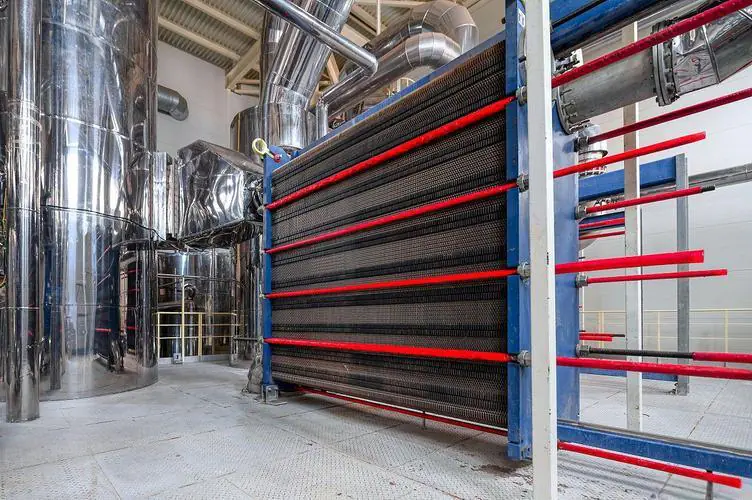
Select the Right Plate Heat Exchanger Materials
- Stainless steel plates for general fluids
- Titanium plates for seawater and corrosive environments
- High-performance gasket materials for high temperature or aggressive media
Choosing the correct materials prevents corrosion, gasket aging, and structural damage. For demanding environments, corrosion-resistant plate heat exchangers are essential for long-term sealing reliability.
Ensure Proper Installation
Improper installation is a major cause of leakage. Key precautions include:
- Even tightening of frame bolts
- Correct gasket compression distance
- Avoid over-tightening that may deform plates
- Proper plate alignment
Correct installation ensures stable sealing performance.
Control Operating Pressure and Temperature
Exceeding design limits can damage plates and gaskets. To reduce leakage risk:
- Avoid sudden pressure fluctuations
- Keep pressure within design limits
- Prevent temperature shocks during startup and shutdown
Stable operation is critical for maintaining sealing integrity.
Regular Cleaning and Maintenance
- Periodic inspection of plates and gaskets
- Timely cleaning (chemical or mechanical)
- Replacement of worn gaskets
Routine maintenance helps detect potential leakage issues early.
Use High-Quality Replacement Parts
Low-quality spare parts can lead to sealing failure. Working with a reliable supplier ensures proper fit, durable materials, and long-term performance. Using high-quality components significantly reduces leakage risks.
Conclusion
Preventing leakage requires proper material selection, correct installation, stable operating conditions, and regular maintenance. Applying these strategies improves efficiency, extends equipment life, and reduces unexpected downtime.