
Titanium vs. 316L: Why Material Selection Matters for Corrosion Resistance
Choosing the right corrosion resistant heat exchanger materials is critical for systems operating in seawater and high-chloride environments. This guide compares Titanium and 316L Stainless Steel to help engineers reduce failure risks and optimize long-term performance.
When designing thermal systems for harsh environments, material selection is one of the most critical engineering decisions. The wrong choice can lead to premature failure, unexpected leakage, and costly downtime.
Why 316L is the Industrial Standard
316L Stainless Steel is widely used due to its balanced performance and cost-effectiveness. With added molybdenum and low carbon content, it offers good resistance to corrosion in moderately aggressive environments.
✔ Good resistance to pitting under controlled conditions
✔ Cost-efficient for large-scale systems
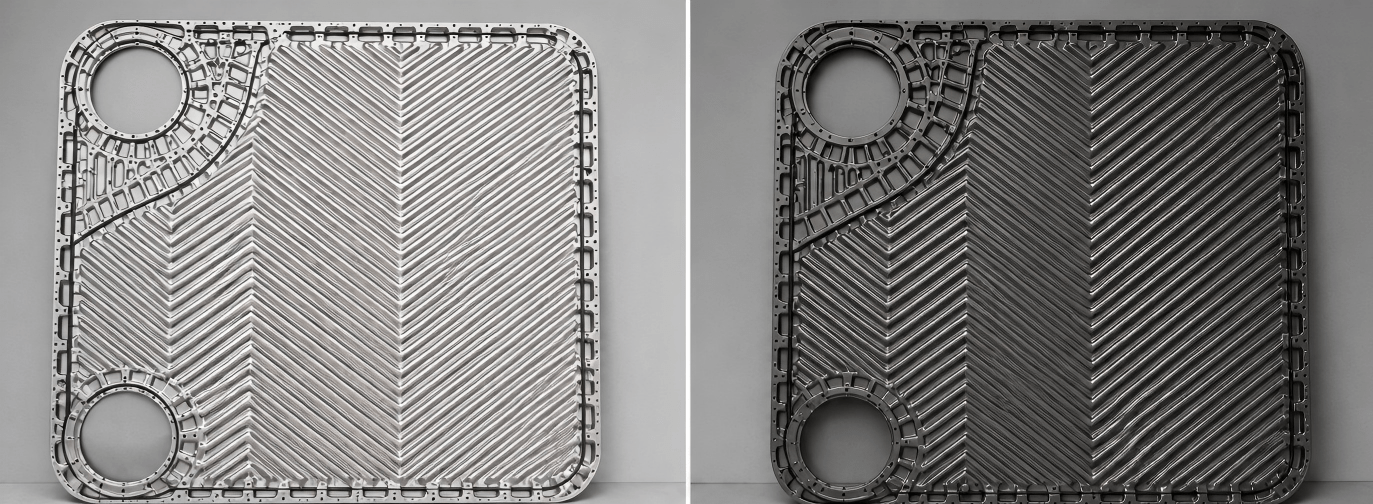
Visual comparison of corrosion resistance under chloride exposure conditions.
When Titanium Becomes Essential
In seawater systems or applications with high chloride levels, Titanium provides superior corrosion resistance. It forms a stable oxide layer that protects the surface from aggressive chemical attack.
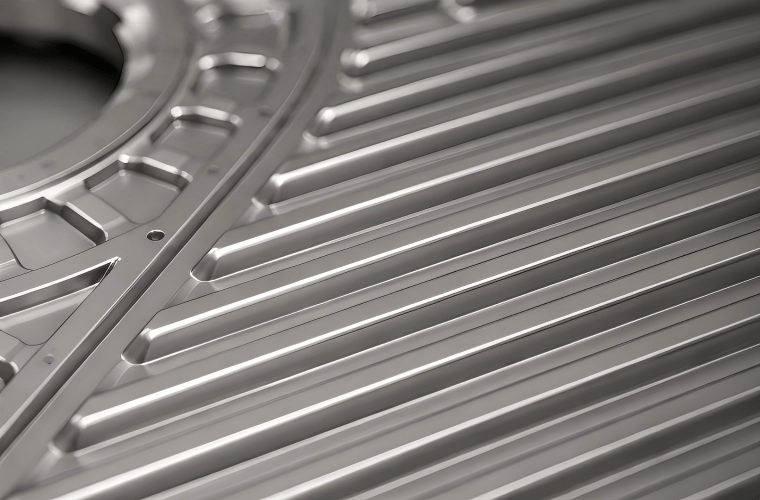
✔ Virtually immune to chloride-induced pitting
✔ Long service life in harsh environments
Cost Perspective: Short-Term vs Long-Term
While Titanium has a higher upfront cost, the total lifecycle cost often tells a different story.
- Leakage and system failure
- Frequent maintenance
- Production downtime
Titanium helps eliminate these risks and ensures stable operation.
Maximizing Equipment Life
Proper material selection should consider fluid chemistry, temperature, and operating conditions. A well-matched material can extend equipment lifespan by up to 200%.
Need Help Choosing the Right Material?
Send us your operating data and get a professional material recommendation.
Contact Our Engineers